
Here is a professional, media-ready English translation of the full text, suitable for official releases and reports:
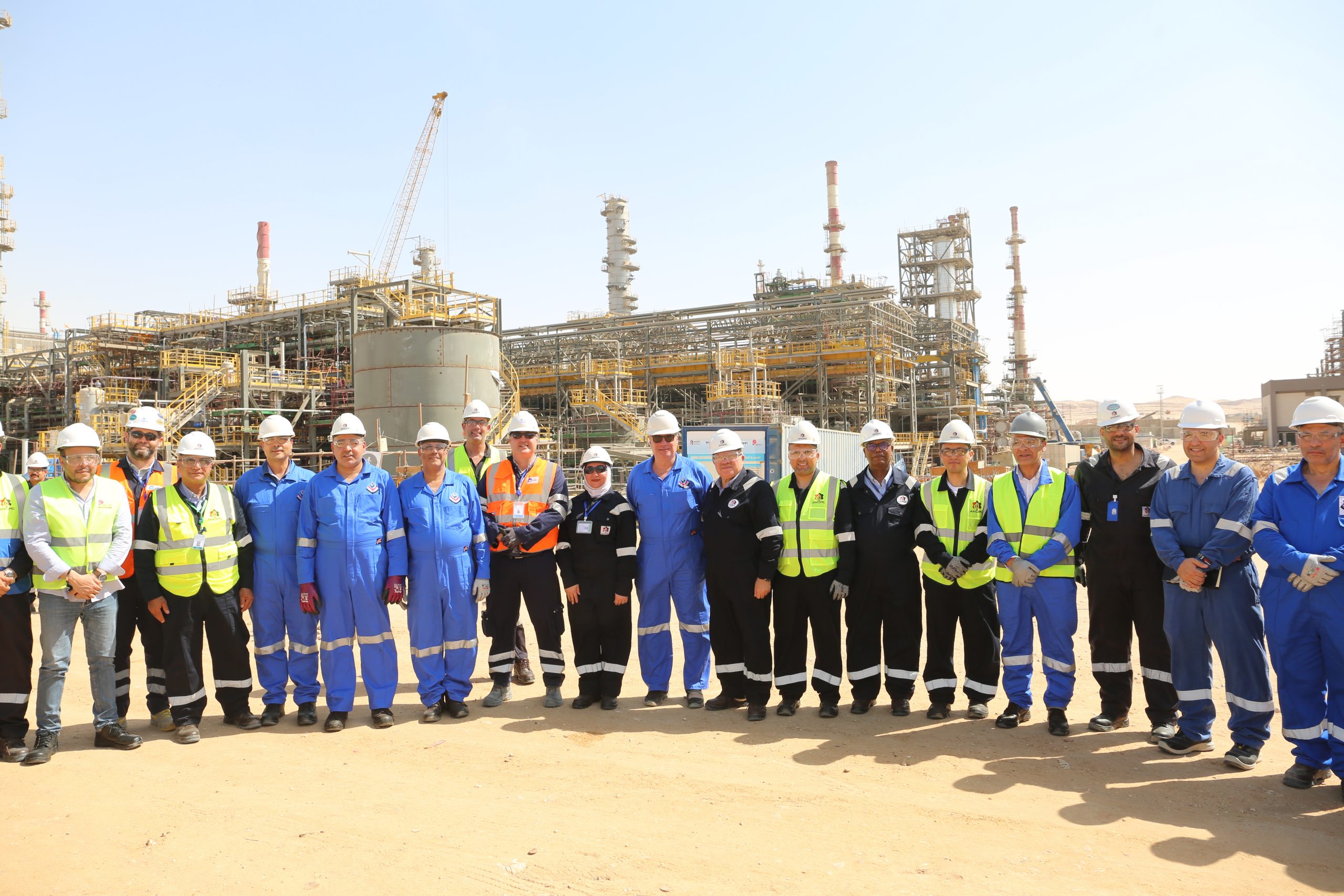
Within the framework of the Egyptian General Petroleum Corporation’s (EGPC) follow-up on the implementation of the energy sector’s targets, and in line with the Ministry’s vision to maximize the utilization of companies’ productive resources, the Egyptian General Petroleum Corporation, headed by Eng. Salah Abdel Karim, EGPC Chief Executive Officer, accompanied by Eng. Wael Rizk, Vice Chairman for Refining and Manufacturing, and a number of EGPC leaders, conducted an extensive visit to the Assiut Petroleum Region to review the readiness of strategic projects and underscore the importance of integration among petroleum companies operating in the region.
Assiut Petroleum Region
The Assiut Petroleum Region represents one of the most important refining and distribution hubs in southern Egypt, supported by the readiness of its infrastructure and the major projects and upgrades being implemented through substantial investments. These efforts enable the region to play a vital role in supporting the state’s strategy to position Egypt as a regional energy hub.
The region includes several key petroleum companies, most notably Assiut Oil Refining Company (ASORC), one of the oldest refineries in Upper Egypt; ANOPC (Assiut National Oil Processing Company), which represents an advanced industrial arm for processing fuel oil and converting it into high-value products; in addition to Nile Petroleum Company, Cooperatives Petroleum Company, Saham Petroleum Company, and PetroGas, which serve as the main distribution, transportation, and supply arms in the region.
The visit began with a coordination meeting hosted by Assiut Oil Refining Company, attended by Eng. Mahmoud Nagi, Chairman of ASORC; Eng. Mohamed Badr, Chairman of ANOPC; Chemist Ibrahim Mowafy, Chairman of Nile Petroleum Company; and Eng. Mahmoud El-Qaffas, Chairman of Saham Petroleum Company, alongside EGPC officials and members of the regional geographic committee.
During the meeting, ASORC’s activities and future plans were reviewed, along with projects aimed at enhancing operational efficiency and the replacement and upgrading of various production units, including heat exchangers and coolers. The meeting also covered the project to establish a 10-MW solar power plant, the connection of furnace stacks to the environmental monitoring system in cooperation with the Egyptian Environmental Affairs Agency, and the industrial wastewater recycling project to reuse treated water for jojoba cultivation as a model linking industrial production with sustainable agriculture.
The meeting also reviewed the executive status of the Diesel Production Complex project at ANOPC, progress rates, and areas of integration with ASORC to maximize the utilization of available assets. Challenges and obstacles were discussed, along with mechanisms to overcome them.
Eng. Salah Abdel Karim emphasized that the ANOPC project represents a strategic pillar for integration among petroleum sector companies, achieving economic returns through converting fuel oil into Euro V diesel with added value and internationally compliant environmental specifications. This contributes to reducing import bills and easing pressure on foreign currency. He described the project as a long-awaited dream coming true in Upper Egypt, creating new job opportunities and absorbing local human resources within a sustainable operating system, thereby strengthening the project’s social dimension and supporting labor market stability in the region.
During his meeting with company leadership, the EGPC CEO stressed the importance of integration among companies operating within the geographical scope of the Assiut Petroleum Region to achieve higher operational efficiency, ensure optimal utilization of available resources, and serve the interests of the national economy.
Cooperation Protocol
The visit also witnessed the signing of a cooperation protocol between Assiut Oil Refining Company and Nile Petroleum Company to enhance technical and commercial cooperation and capitalize on the capabilities and expertise available to both parties. The protocol was signed by Eng. Mahmoud Nagi, Chairman of ASORC, and Chemist Ibrahim Mowafy, Chairman and Managing Director of Nile Petroleum Company.
This was followed by an extensive inspection tour that began with a visit to the central laboratories in the Assiut Petroleum Region, where the EGPC CEO emphasized that strict adherence to quality standards and precise laboratory compliance is not merely a technical procedure, but a deeply rooted operational doctrine of the Corporation, with zero tolerance for compromise, to ensure the highest quality of petroleum products before being released to the market.
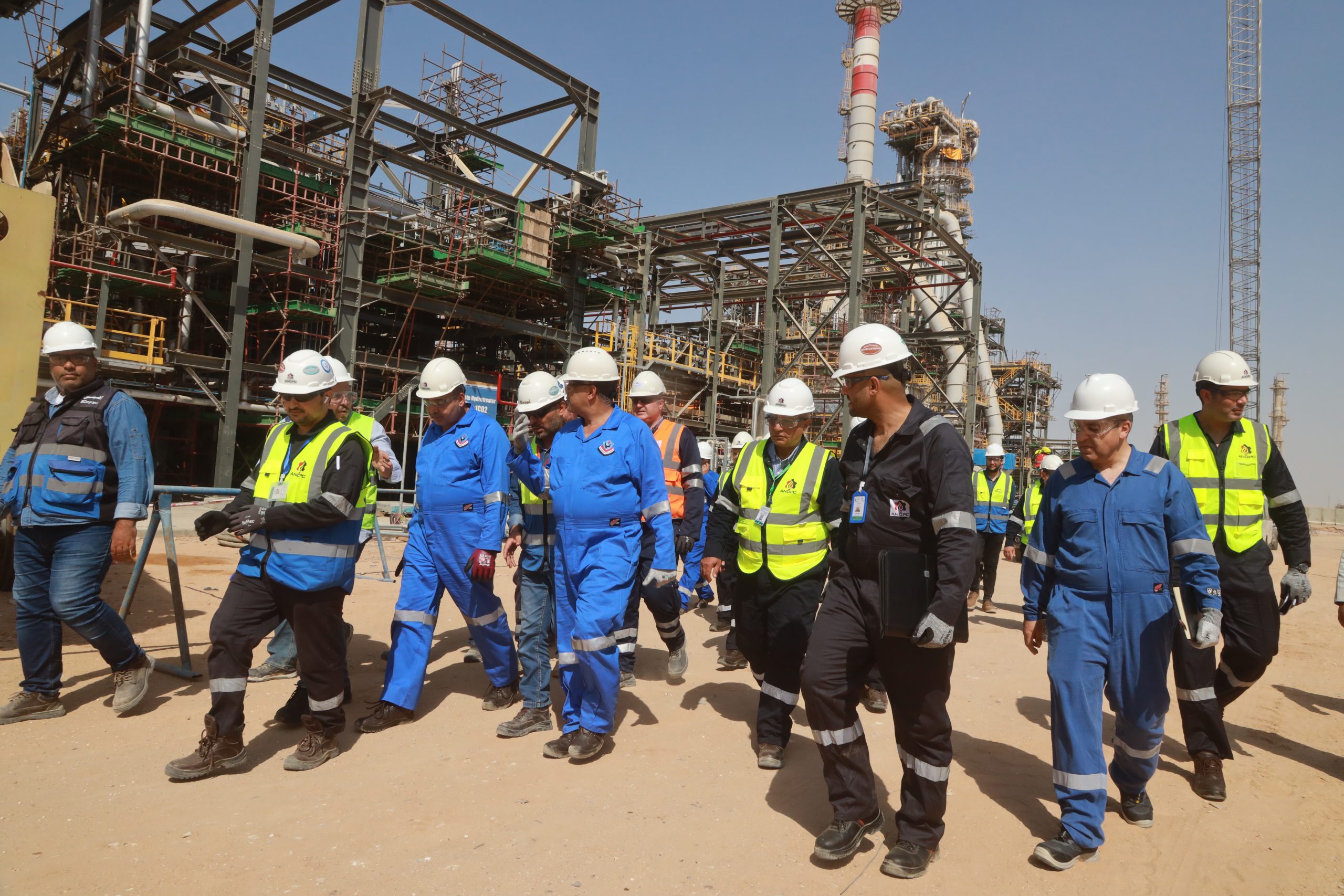
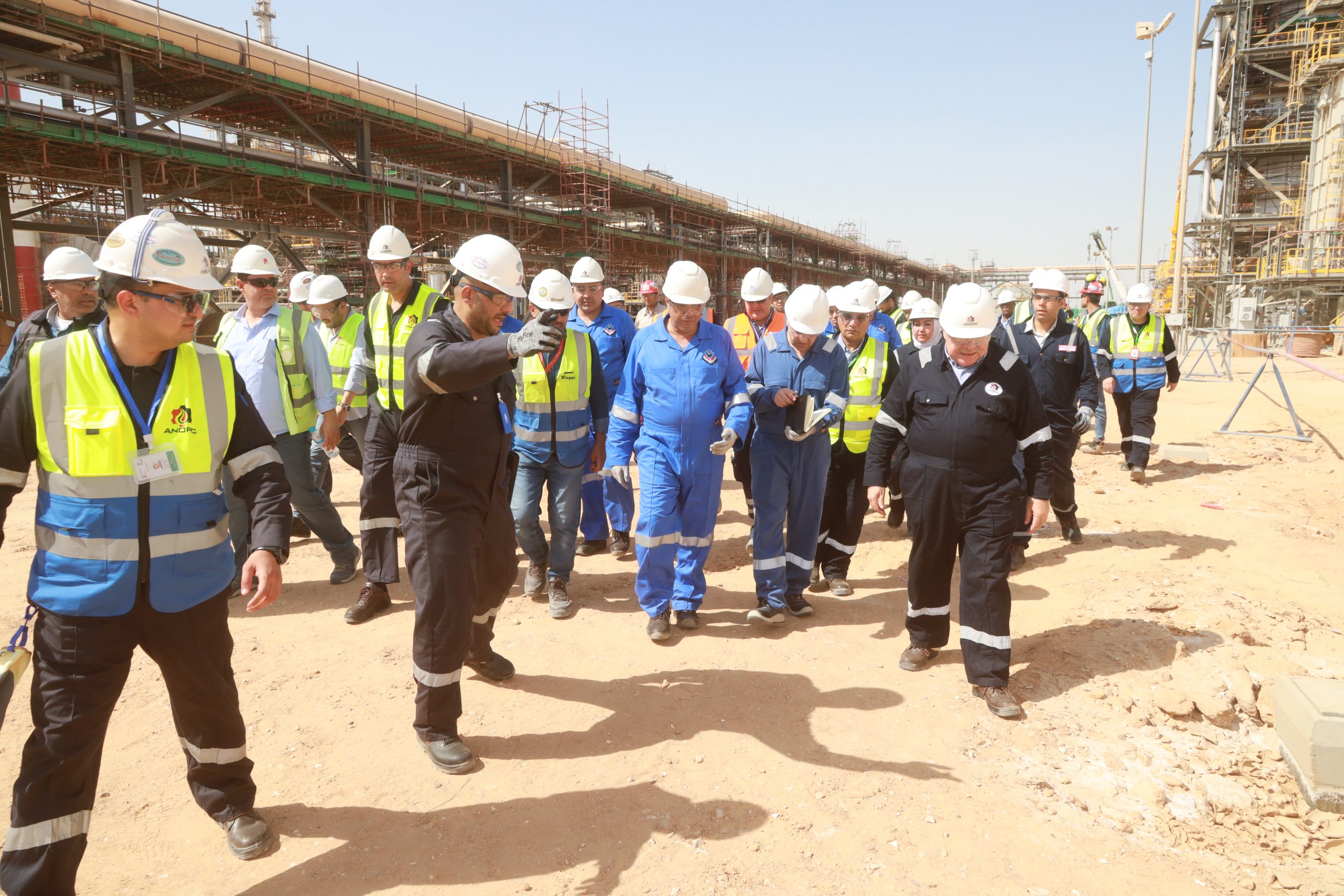
The tour continued with inspections of production units and control rooms at ASORC, after which the EGPC CEO, accompanied by company leaders and chairmen, proceeded to the ANOPC project site to follow up on on-site execution progress. During the visit, he stressed the need to accelerate work rates, increase manpower at the site, and expedite project delivery to ensure the commencement of initial operations at the earliest possible time, without compromising quality or safety standards.
The tour concluded with inspections of the facilities of Cooperatives Petroleum Company, Nile Petroleum Company, Saham Petroleum Company, and PetroGas. The EGPC CEO directed strict adherence to occupational health and safety standards, the establishment of a culture of “early hazard reporting,” and linking it to performance evaluation mechanisms to enhance safe behaviors and encourage employees to adopt them within an integrated risk management framework.
The visit concluded with Eng. Salah Abdel Karim affirming that the Assiut Petroleum Region represents an advanced model of an integrated operational hub for the petroleum sector in southern Egypt, thanks to its strategic energy projects and infrastructure that covers all stages of operations.